Why Is It Called Generation Jones?
The most ordinary name in America, the '70s word for a craving, and the neighbors everyone kept up with.



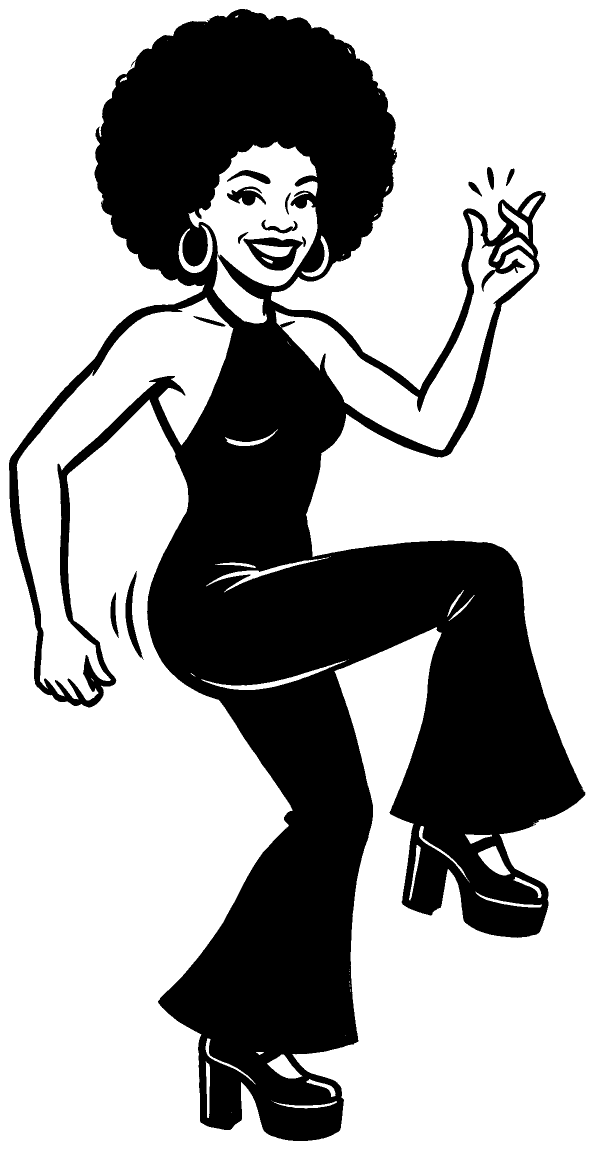
Generation Jones was named by Jonathan Pontell, a cultural commentator born in the Jones years himself, and the name was in print by 1999. "Jones" does three jobs at once. It's the most ordinary name in America, for a generation nobody noticed. It's "jonesin'," the '70s word for a craving. And it's the Joneses, the neighbors everybody was trying to keep up with.
All three fit. That's why the name stuck when the others didn't.
Who came up with Generation Jones?
Jonathan Pontell, a Cleveland native who made his career in Los Angeles as a writer, TV producer and pop-culture commentator. The name was in print by November 7, 1999, when a Seattle Times story described him as having "coined a name for this group, which represents a quarter of all U.S adults: Generation Jones." By the paper's account he was one of them: a member of the cohort he was naming.
His argument was simple. People born from 1954 to 1965 had been filed under "Baby Boomer" by a birth-rate chart, but they didn't grow up the way the older Boomers did. They needed their own name. In his words: "Generations stem from formative experiences, not head counts."
Meaning one: Jones, as in nobody in particular
The first reason is anonymity. Pontell has said the name was chosen for this generation's invisibility, especially next to the '60s generation that got all the attention. "It could be Smith," he told the Akron Beacon Journal.
Think about where you sat. The older Boomers had Woodstock, the protests and every magazine cover for thirty years. Gen X got a bestselling novel, a name and a decade of trend pieces. You were the ones in the middle, the Joneses in the phone book. The Seattle Times summed up the idea in 1999: a large, unknown, invisible generation.
“Jones” won because it does what a generation's name has to do. You hear it and recognize yourself.
Meaning two: jonesin'
The second reason is the one people your age actually said out loud. To have a jones, or to be jonesin', meant to crave something badly. Dictionary.com traces "Generation Jones" to exactly that: "US slang jones, a strong desire for something."
The word started out as street slang for a drug habit. One popular story traces it to Great Jones Street in Manhattan, though nobody has proved that. By the '70s it meant any craving at all, and it was on the charts. Cheech & Chong's "Basketball Jones featuring Tyrone Shoelaces" reached No. 15 on the Billboard Hot 100 in 1973. It was a parody of "Love Jones" by Brighter Side of Darkness, which peaked at No. 16. If you were around in 1973, you probably knew both.
Pontell's point is that the craving describes the generation. In the Seattle Times' words, you have a "jones" for an identity of your own, and for the world you were promised as kids and never quite got. The '60s told you everything was about to change. The '70s handed you gas lines and a recession. "The boomers were not left jonesing," Pontell said. You were.
That's why we spell it the way it was said: jonesin', no g.
Meaning three: keeping up with the Joneses
The third meaning is older than any of you. "Keeping Up with the Joneses" was a newspaper comic strip by Arthur "Pop" Momand that started in 1913, in the New York Globe. The Oxford English Dictionary's earliest example of the phrase comes from that strip. Momand reportedly considered calling it "Keeping Up with the Smiths," then decided "the Joneses" sounded better.
So two men, eighty-odd years apart, each looked at "Smith" and picked "Jones."
This third meaning is one the name picked up along the way. Wikipedia lists it among the name's meanings: a "keeping up with the Joneses" competitiveness. It fits. Jonesers were the biggest wave of the boom, arriving at every school, job line and first-house market just behind the older Boomers. Keeping up was the whole game.

Names that didn't stick
Plenty of people have tried to name the boom's younger half. None of these caught on the way "Jones" did:
- Trailing-edge Boomers. Accurate, and about as warm as a weather report.
- Late Boomers. It makes you sound like you missed the bus.
- Cuspers. Fine for astrology.
- The "Dazed and Confused" generation. The writer Bruce Handy's pitch in The New Yorker in 2023, for people born from about 1956 to 1964, after the movie. It's a good movie.
"Jones" won because it does what a generation's name has to do. You hear it and recognize yourself.
Is "Generation Jones" a real word?
It's in the dictionary, at least one of them: Dictionary.com carries an entry. Pew Research Center doesn't use it, because its boundaries come from birth rates, not shared experience. But the term has been in print for more than a quarter century, it has its own Wikipedia article, and in 2025 the literary journal Salmagundi ran a long exchange about the generation under that name. It's real enough.
What to do with your name
Now that you know what it means, find out how much of it you've got. Take the two-minute quizQuiz. You'll get a score and a badge with your name on it.
If you want the background, start with the Generation Jones yearsArticle, or see how you differ from the BoomersArticle. And if you'd rather wear it than read about it, the shopShop has the name on a tee.
Questions People Ask
Why is it called Generation Jones?
The name has three meanings. "Jones" is an ordinary, anonymous name, for a generation that got overlooked between the Boomers and Gen X. "Jonesin'" is '70s slang for a craving, for the world this generation was promised and didn't get. And it echoes "keeping up with the Joneses," for a big, competitive cohort.
Who coined the term Generation Jones?
Jonathan Pontell, a writer, TV producer and cultural commentator, and a member of the cohort himself. He defines Generation Jones as Americans born from 1954 to 1965.
When was Generation Jones coined?
It was in print by November 7, 1999, when a Seattle Times article credited Pontell with the name.
What does "jonesin'" mean?
To have a jones, or to be jonesin', means to crave something intensely. It began as slang for a drug habit and by the 1970s meant any strong craving. Cheech & Chong's 1973 hit "Basketball Jones" made it a household word.
Is Generation Jones named after "keeping up with the Joneses"?
Partly. Pontell has talked mostly about anonymity and the craving of "jonesin'." The "keeping up with the Joneses" meaning, from a 1913 comic strip, came along with the name, and it fits a big, competitive generation.
What does Generation Jones mean?
It means Americans born from 1954 to 1965, the younger half of the Baby Boom, who grew up after the '60s rather than in them. The name says they were overlooked, they were left wanting, and they were always keeping up.
The Sources
- "Jones? A Faceless Generation Finds an Identity," The Seattle Times, Nov. 7, 1999. Pontell credited with coining the name; "a quarter of all U.S adults"; the "jones" for identity and for the promised world; a large, invisible generation. archive.seattletimes.com ↗
- Kim Hone-McMahan, "Jonesers: The late-bloomer boomers," Akron Beacon Journal via the Philadelphia Inquirer, Feb. 26, 2014. "It could be Smith," Pontell's Cleveland background, "formative experiences, not head counts," "not left jonesing," 1954–1965. inquirer.com ↗
- Dictionary.com, "Generation Jones." Etymology from "US slang jones, a strong desire for something." dictionary.com ↗
- Wiktionary, "jones." The drug-slang sense and the unproven Great Jones Street story (citing The New York Times, March 17, 2002). en.wiktionary.org ↗
- Wikipedia, "Basketball Jones featuring Tyrone Shoelaces." No. 15 on the Hot 100, 1973; "Love Jones" at No. 16. en.wikipedia.org ↗
- The Phrase Finder, "Keeping up with the Joneses." Momand's strip, the OED's 1913 citation, "the Smiths." phrases.org.uk ↗
- Wikipedia, "Keeping up with the Joneses." Strip began 1913 in the New York Globe. en.wikipedia.org ↗
- Wikipedia, "Generation Jones." The name's connotations; Pontell's background; alternative names, including Bruce Handy, "The 'Dazed and Confused' Generation," The New Yorker, March 2, 2023. en.wikipedia.org ↗
- David Shorr and Rick Moody, "On Generation Jones and Social Change," Salmagundi, 2025. Describes Pontell as belonging to the cohort he named. salmagundi.skidmore.edu ↗
Every fact in this article comes from the sources above. Spot something wrong? Tell us.



 ’57
 ’58
 ’59
 ’60
 ’61